
Little Lessons On Growing Love…
San Francisco’s Best Advice About Creating Amazing Relationships And All Things RELATED
Featured



















Blog
San Francisco’s Best Advice About Creating Amazing Relationships And All Things RELATED
Why are we repeatedly attracted to certain kinds of people? Your Attraction Template can help reveal the patterns, experiences, and relational dynamics that shape who feels compelling to you.
Our childhood experiences can influence who we’re attracted to in ways we may not consciously recognize. Understanding these patterns can help us become more aware of what draws us toward particular people.
Why do certain people create such powerful chemistry? Sometimes what feels like attraction may also reflect familiar relational patterns operating outside our conscious awareness.
Why do we feel an immediate spark with some people and not others? This article explores what romantic chemistry may be telling us—and what it can't tell us about a potential relationship.
Many people struggle with the dilemma of liking someone, but not feeling strong romantic chemistry. Is this a problem? Are there are any solutions to this confusing experience? What kinds of chemistry can we look for when dating?
We have all heard that you’ll “know” when you feel that spark…but is that really the thing all of our hopes and dreams should be riding on? Especially when that spark can be so unreliable? I think there are other things that are better indicators of whether a person or a relationship are likely to be good for us. Read more to find out what.
Have you ever met someone and felt a strong, curiously compelling attraction? Sometimes we're drawn to someone long before we understand why. Discerning what we’re drawn to can give us more freedom to choose between how much chemistry/attraction and how much compatibility we want.
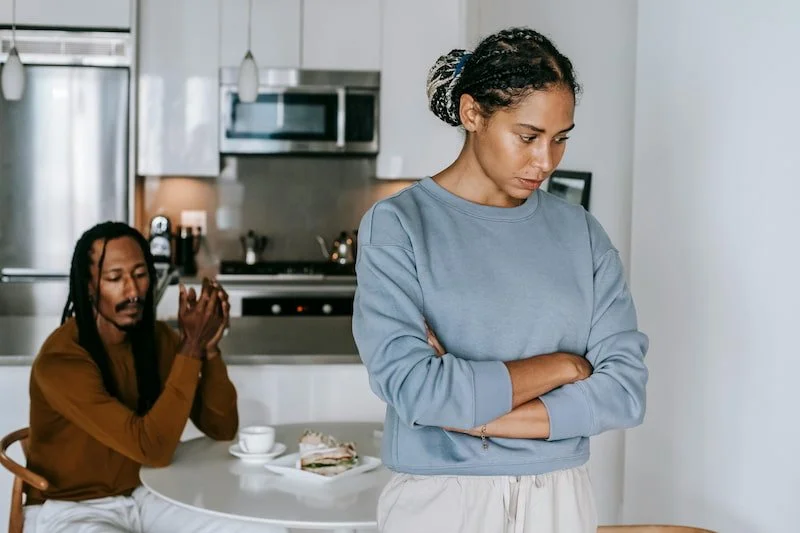
When one of you want to talk and the other wants space, do you know what each person's reactions are trying to accomplish? Do you know how each is trying to create a greater sense of emotional safety, but that it gets totally misunderstood. If you'd like support slowing these conversations down and building a different way of relating to one another, I'd be glad to connect.
A lot of people reach out for support at a point where dating has started to feel confusing, discouraging, or just plain exhausting because something about the experience keeps repeating. My approach to dating helps you learn where you get stuck and what patterns you may have been repeating, unconsciously.
There are moments in dating and relationships where you get stuck. You get triggered. Something gets said, done, or neglected…and suddenly, you feel it. You feel the contraction inside, the shutting down–or the spark of fire. These are places that need our attention and we can learn to work through them with less negative consequences—to us and others.
One of the most important distinctions in dating — and one that many people were never taught — is the difference between attraction and availability. Attraction can feel powerful and meaningful, but it isn’t the sign you think it is. Do you know the right signs to follow?
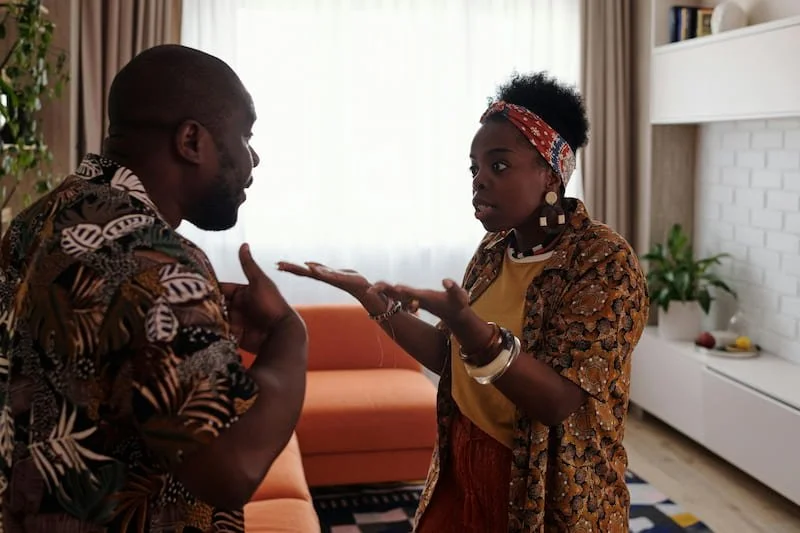
Couples may not realize that though they argue about different kinds of things over and over, they are likely often repeating the same kind of negative cycle, below the varying content. Learning to catch and change this cycle can change everything.
Chemistry, on its own, is a surprisingly unreliable guide when it comes to building a healthy, lasting relationship. Most of us were never taught how to tell the difference between chemistry of genuine connection and chemistry of nervous system activation. And in modern dating culture that distinction matters more than ever.
Conflict itself isn’t the enemy; disagreement is inevitable in any close relationship. What actually creates damage over time is not knowing how to repair and reconnect after conflict.
Dating therapy helps you understand patterns, heal past hurt, and build healthier connections with confidence in today’s modern dating world. with support!
Many couples come into therapy with one clear concern: “We’re fighting too much.” Every couple argues. You are two different nervous systems, two different histories, two different sets of wounds and needs. Conflict is inevitable. What matters most is what happens after the rupture.
Dating apps have changed everything. With a single swipe, you can signal interest in a stranger you know virtually nothing about. Another swipe, and you’ve moved on. Again. Again. Again.
If you're exhausted by dating, you're not alone. You’re not broken, unworthy, or hopeless—though I know it can feel that way. You’re likely grieving. And that grief is often unspoken, unacknowledged, and misunderstood.
When most people think of couples therapy, they think of conflict. But here’s the truth: couples therapy isn’t just for crisis—it’s for growth. And if you wait until your relationship is in survival mode, you may be missing the most powerful opportunities it has to offer.
Most couples don’t sit down and create a shared code of conduct for how they want to treat each other—especially when things get hard. And yet, every couple has operating principles, whether they’re spoken or not.
Some are intentional and strengthening, and then there are the anti-principles—the unconscious agreements or tolerated behaviors that slowly erode trust, intimacy, and safety over time.
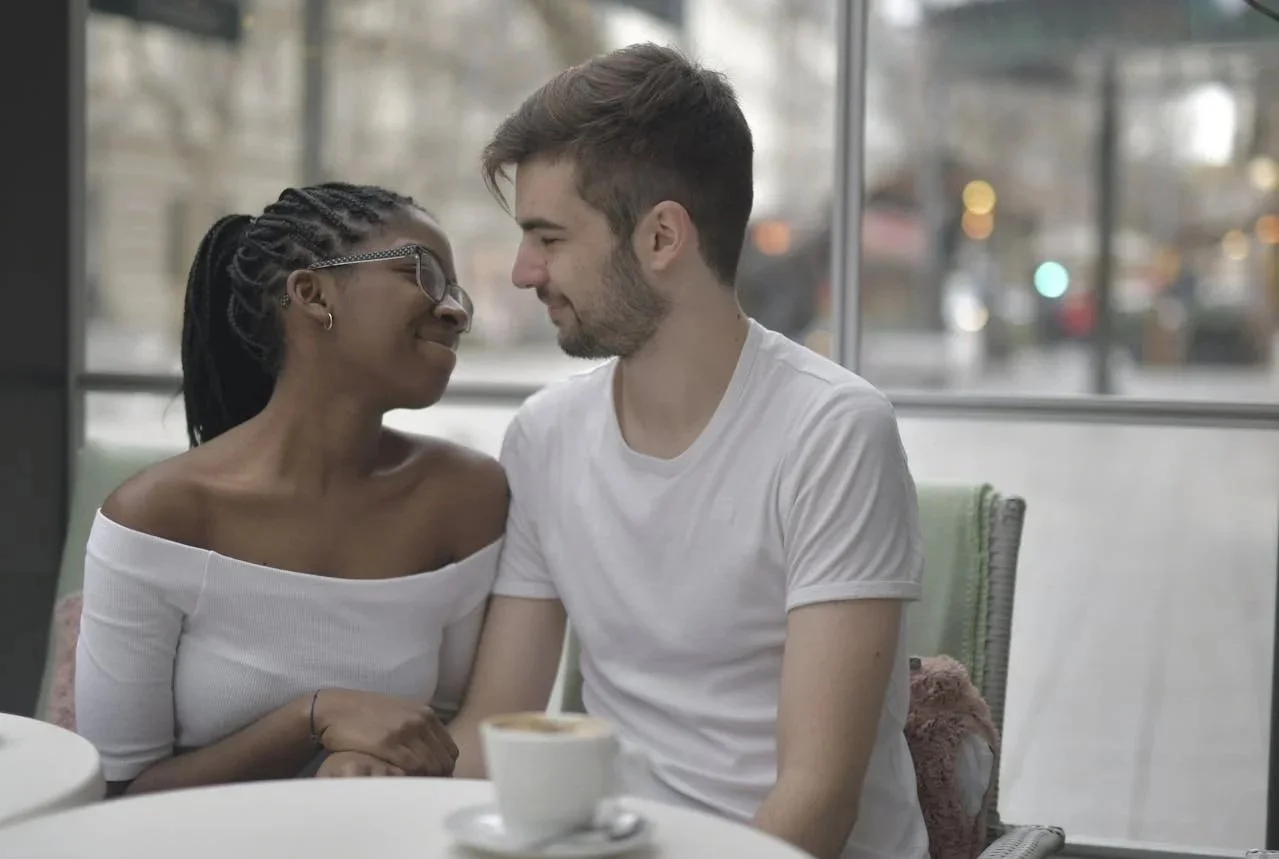
You meet someone. They’re magnetic. Interesting. There’s a spark. You feel the pull—you’re excited, maybe even a little lit up inside.
Fast forward a few weeks or months: they’re emotionally unavailable, avoidant, inconsistent, or something just feels off.
You lock eyes with someone across the room. Your stomach flutters. They smile, and you’re lit up—nervous, alive, pulled in. You tell your friend, “I don’t know what it is, but the chemistry is insane.”
If you’ve read all the dating tips, downloaded every app, and feel like you’re doing everything “right”—but still find yourself stuck, frustrated, or hurt—you’re not alone.
You’ve had this argument before—maybe ten, maybe a hundred times. One of you gets triggered. The other reacts. Then things spiral—again…
If you’ve ever stared at your phone, replaying a confusing message—or no message at all—and thought, What am I doing wrong?, you’re not alone…
“I think we waited too long.” But here’s the thing I’ve seen again and again in couples therapy most of the time, it’s not too late. It’s just that the old strategies have stopped working, and no new ones have taken their place—yet.
One partner wants sex or wants it more often. The other doesn’t feel ready, interested, or safe enough to connect that way in the moment, or for longer. But it doesn’t have to be a make or break issue for the relationship.
Most couples don’t actively decide how they want to treat each other. But here’s the problem: if you don’t create relationship principles on purpose, anti-principles will take over.
While the happiest time of the year it may be for some, unfortunately, the holidays can also bring up a lot for many of us. Whether it's visiting family, getting pulled into old roles and dynamics, the stress of traveling or shopping, the pain of isolation and loneliness, or conflict arising in partnerships and families... Here are some tips on how to manage and get through it with a few less bumps and bruises.
When partners are “paired”, like Bluetooth devices, they are connected. When there's a problem, partners get disconnected and they need to re-pair. It usually takes a minute. Here are the most important guidelines for re-pairing (repairing) injuries.